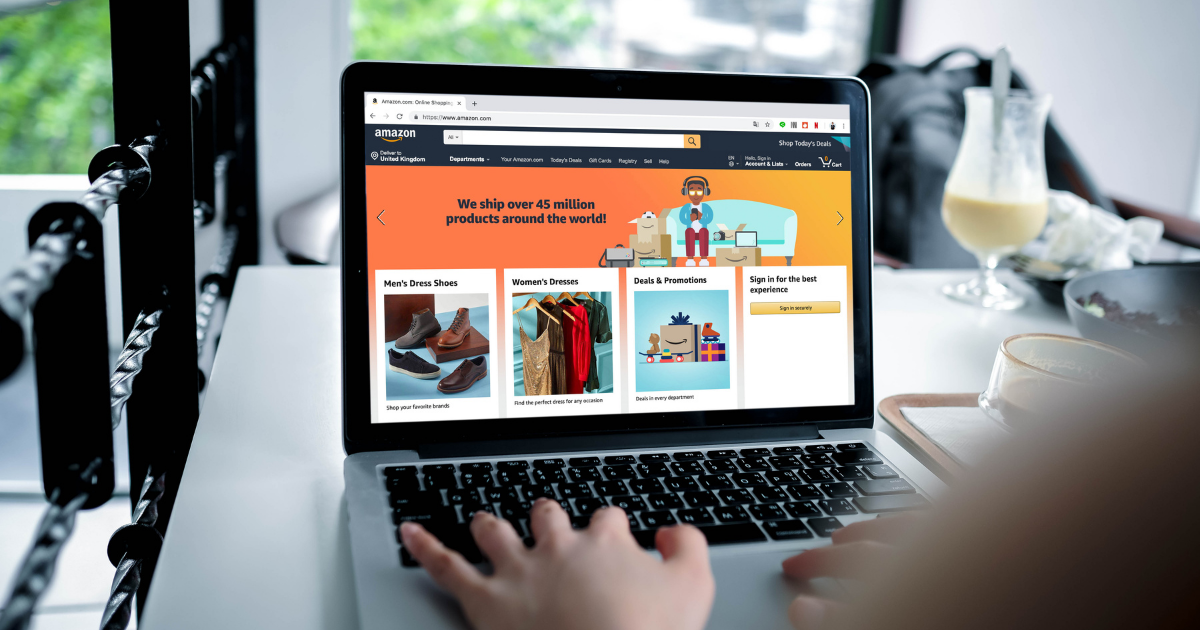
I use Amazon like a search engine. I’m not even sure when it happened- I started off buying books for college and now I’m buying everything from household cleaning supplies, to bedding, to last minute presents when I forget a friend’s birthday. I know I’m not the only one either. We’ve all done it, scrolling Tik Tok at night, seeing a product we like, and instead of completing the transaction there, we pause the scroll, open up Amazon and find that same item. Amazon has our trust because it’s reliable; there’s easy returns, and it’s truly hassle-free shopping.
For years, brands treated Amazon as one piece of the ecommerce puzzle. It was where transactions happened while brand building lived somewhere else.
That thinking no longer reflects reality. Today's consumers don't distinguish between channels. They discover products on TikTok, compare them on Amazon, read reviews on Reddit, visit a brand's website, and may even make the purchase in a retail store. Every touchpoint influences the next.
The brands growing the fastest are strategically using Amazon to strengthen every other part of their business.
Amazon has become the new source of truth
More shoppers begin their product research on Amazon than anywhere else, making it one of the most influential points in the buying journey. But what happens there rarely stays there.
Search rankings affect retail velocity. Reviews influence conversion across DTC and retail websites. Content created for Amazon increasingly becomes the foundation for paid social, marketplaces, retailer listings, and even in-store merchandising.
In other words, your Amazon presence is shaping your brand far beyond Amazon itself.
Retail media is changing the marketing playbook
Retail media continues to attract significant investment as brands shift advertising dollars closer to the point of purchase. Amazon remains the largest player, but retailers across the industry are expanding their own media networks, creating new opportunities, and new complexity, for brands.
The result is a more connected marketing ecosystem.
Advertising can no longer operate independently from merchandising. Creative can't be developed separately from marketplace performance. Customer acquisition doesn't stop once a shopper leaves your website.
The highest-performing brands are measuring success across channels instead of optimizing each one in isolation.
Operational excellence is becoming a competitive advantage
Growth is no longer driven by advertising alone.
Inventory planning, pricing strategy, catalog health, content quality, fulfillment, and supply chain decisions all directly impact visibility and conversion. Small operational issues can quietly undermine millions in advertising spend.
As Amazon continues to reward brands that deliver better customer experiences, operational discipline has become just as important as marketing execution.
Omnichannel is about creating consistency everywhere
Customers expect the same pricing, messaging, imagery, product information, and brand experience regardless of where they shop. The companies winning today aren't necessarily present on the most channels, rather they're the ones connecting those channels effectively.
That means using insights from Amazon to improve Walmart. Learning from retail to improve DTC. Using marketplace data to make smarter merchandising, inventory, and marketing decisions across the business.
The walls between channels continue to disappear.
The next phase of ecommerce
The brands that outperform over the next several years won't think in terms of marketplaces, retailers, or direct-to-consumer.
They'll think in terms of connected commerce.
Amazon will remain one of the most important engines for growth, but its greatest value isn't simply generating revenue. It's the visibility it provides into customer behavior, demand, and market trends that can inform every other channel.
That's where the opportunity is. Not treating Amazon as another sales channel, but using it as the foundation for a smarter omnichannel strategy.